

Spend enough time in nonprofit spaces, and you will hear a familiar question:
“What do we need?”
More funding. More staff. More volunteers. More technology. More time.
Those needs are real. Most nonprofit leaders can name them quickly because they live with them every day. They know where the gaps are. They know what keeps getting postponed.
They know which ideas sit untouched because the organization lacks the people, money, or time to move them forward.
A harder question often opens a more useful conversation:
“What do we already have?”
That question sounds simple, but it can shift the energy in the room.
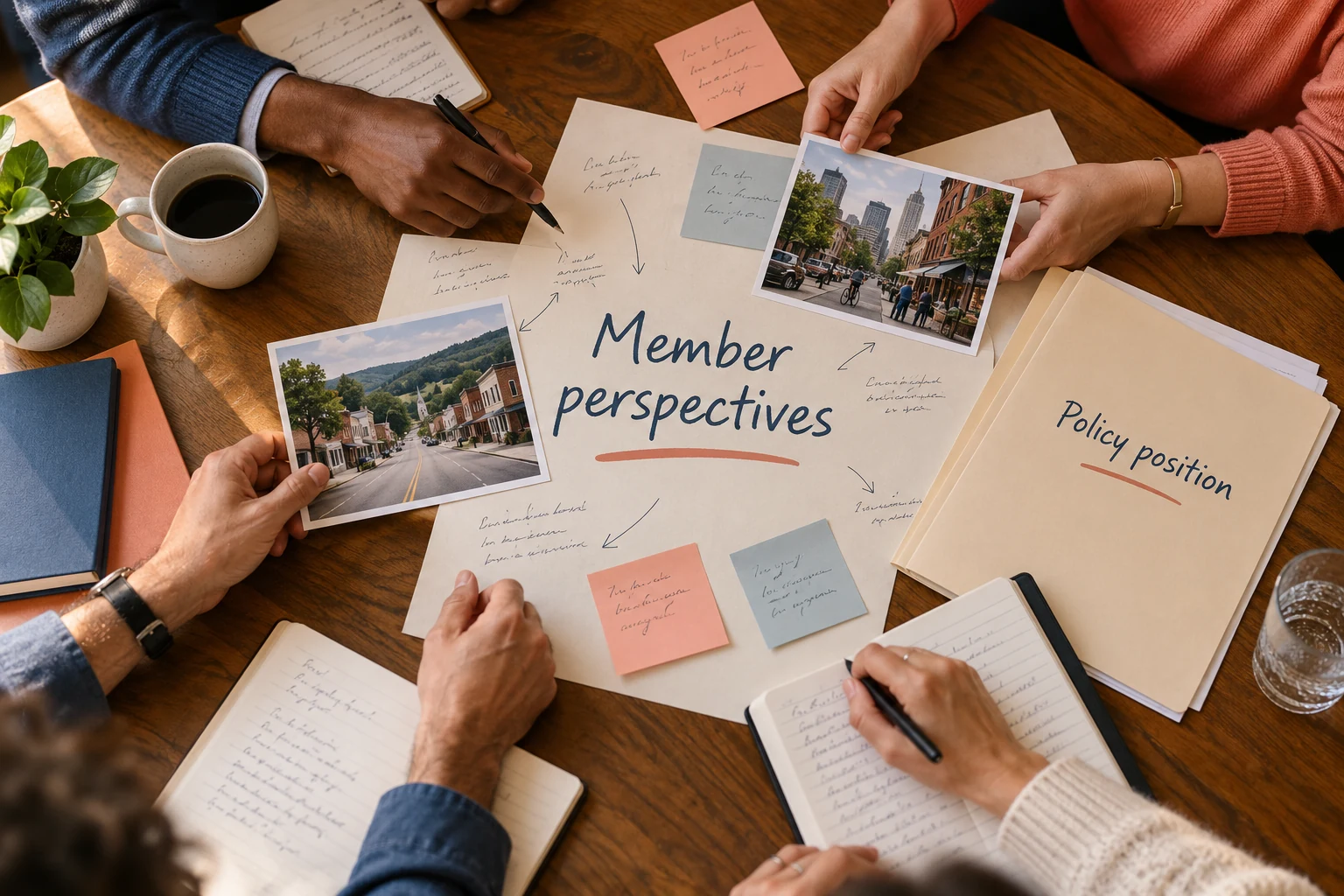
Many organizations spend so much time naming what is missing that they overlook the strengths already sitting in plain sight: community trust, relationships, credibility, cultural knowledge, convening power, volunteer expertise, long-standing partnerships, and people who understand the work because they have lived close to it for years.
Those assets may never appear on a balance sheet, but they often determine whether an initiative succeeds.
I have watched organizations with very limited resources accomplish remarkable things because people trusted them. I have also watched better-funded organizations struggle because they lacked the relationships needed to move an idea forward. Money matters, absolutely. Capacity matters, too. But trust moves differently. Trust opens doors that funding alone cannot open.
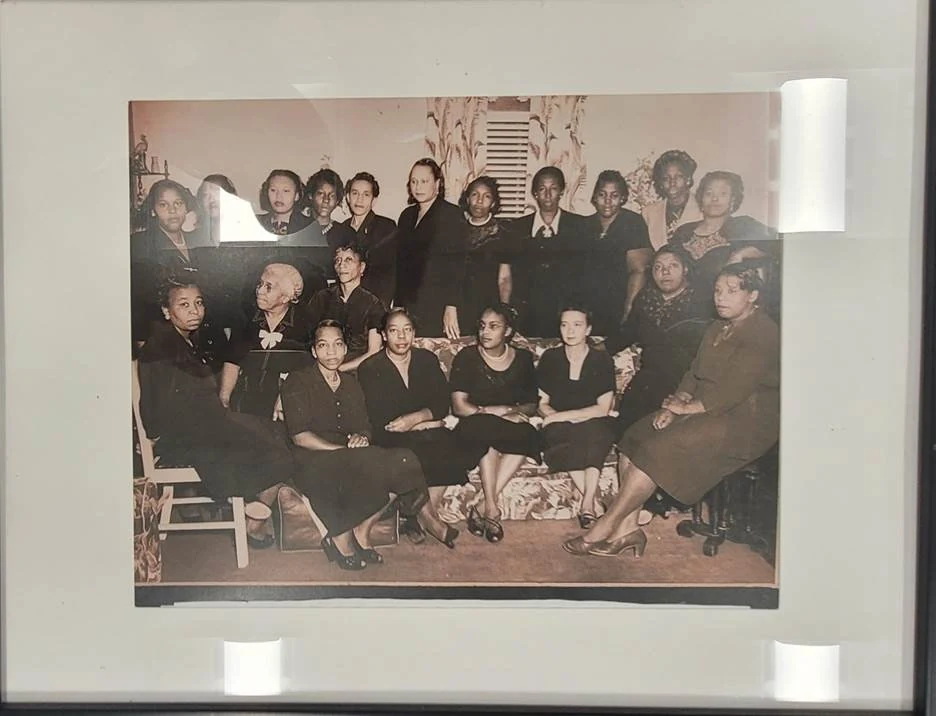
A board member who knows how to bring the right people into conversation is an asset. A volunteer who has spent twenty years building relationships in the community is an asset. A staff member who understands the history behind a sensitive issue is an asset. A partner who can translate between institutions and community members is an asset. So is a reputation for showing up when it counts.
The challenge is that many of these strengths become invisible over time. People get used to them. They assume everyone has them. They forget how powerful it is when a community says, “We know them. They do what they say they will do.”
That is one reason strategic planning becomes more honest and more creative when organizations begin with an asset conversation before moving into challenges. The room changes. People still name the hard things, but they do it from firmer ground. They begin to see possibilities alongside constraints.
A useful asset conversation can start with a few simple questions:
Who trusts us, and why?
What knowledge do we carry that others often miss?
Which relationships help us move work forward?
What do people come to us for?
Where have we created value with limited resources?
What strengths have become so familiar that we stopped naming them?
These questions help leaders see the organization more clearly. They also keep strategy from becoming a wish list built only around scarcity.
Every nonprofit has real needs. Every serious strategy has to face those needs directly. But a strategy built only from gaps can make an organization feel smaller than it is.
Asset-based thinking brings the full picture into view.
It helps leaders see what they can build from, who they can build with, and where their organization already carries strength. It reminds teams that capacity lives in more places than a budget line.
Some of the most important resources available to an organization are already in the room.
The work begins when leaders slow down long enough to see them.
Written by Kelli Bohannon for The Work in Motion Blog.
Back to all reflections