
A new revenue idea usually arrives with a good reason. A grant could keep a program open. An event could bring new people into the work. A fee-based service could create income the organization has more freedom to use.
I understand the appeal. Nonprofit leaders have to look for resources while keeping the work moving. But the amount we hope to bring in tells us only part of what we need to know.
Before adding a revenue stream, I want to understand what accepting it will ask of the organization. Who will build the relationship, prepare the proposal, deliver the service, manage the reporting, and follow up? What will they set aside to make room?
Begin with the purpose.
What would this income make possible? Be specific about the work, the people it would support, and the need it would address. Then ask whether the opportunity fits the organization’s mission and the relationships it wants to sustain.
An attractive total can make it easy to overlook a poor fit. A proposal may require a new program, a different audience, or a delivery model that changes the work substantially. Those may be worthwhile choices. They deserve an explicit decision.
Count the work behind the income.
List the costs of pursuing and managing the opportunity as well as delivering what it promises. Include preparation, staff time, systems, administration, and ongoing relationship work.
Nonprofit Finance Fund’s full cost framework is a useful reference because it looks beyond immediate expenses to the resources an organization needs over time. That perspective can help a team ask whether an opportunity supports the organization’s wider needs.
I would also ask what happens if the income arrives later than expected, the event takes more time, or participation falls short. A planning estimate becomes more useful when we can see its assumptions.
Compare the opportunities in front of you.
The Revenue Opportunity Filter offers a place to examine several possibilities using the same questions:
- When could the income realistically arrive?
- What restrictions or commitments would come with it?
- How much staff time and preparation would it require?
- Which relationships and values does it depend on?
- How would it strengthen the organization’s ability to carry out its mission?
The answers will depend on your organization. An event that draws on established relationships may be a different proposition from an event built from the beginning. The worksheet leaves room for your evidence and assumptions rather than assigning a universal rating.
Make room for a decision, including a pause.
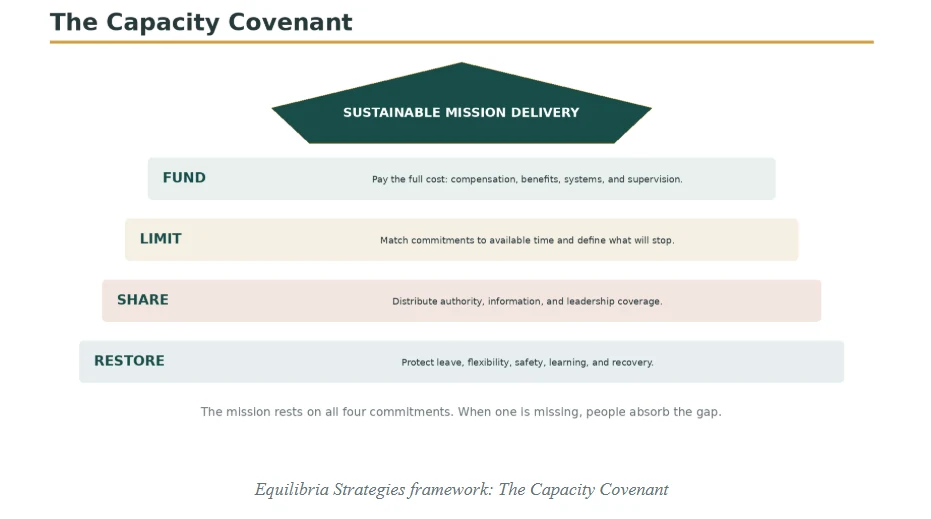
Bring the comparison to the people with responsibility for the decision. Agree on who will carry the work, what resources they will need, and which other commitments will change.
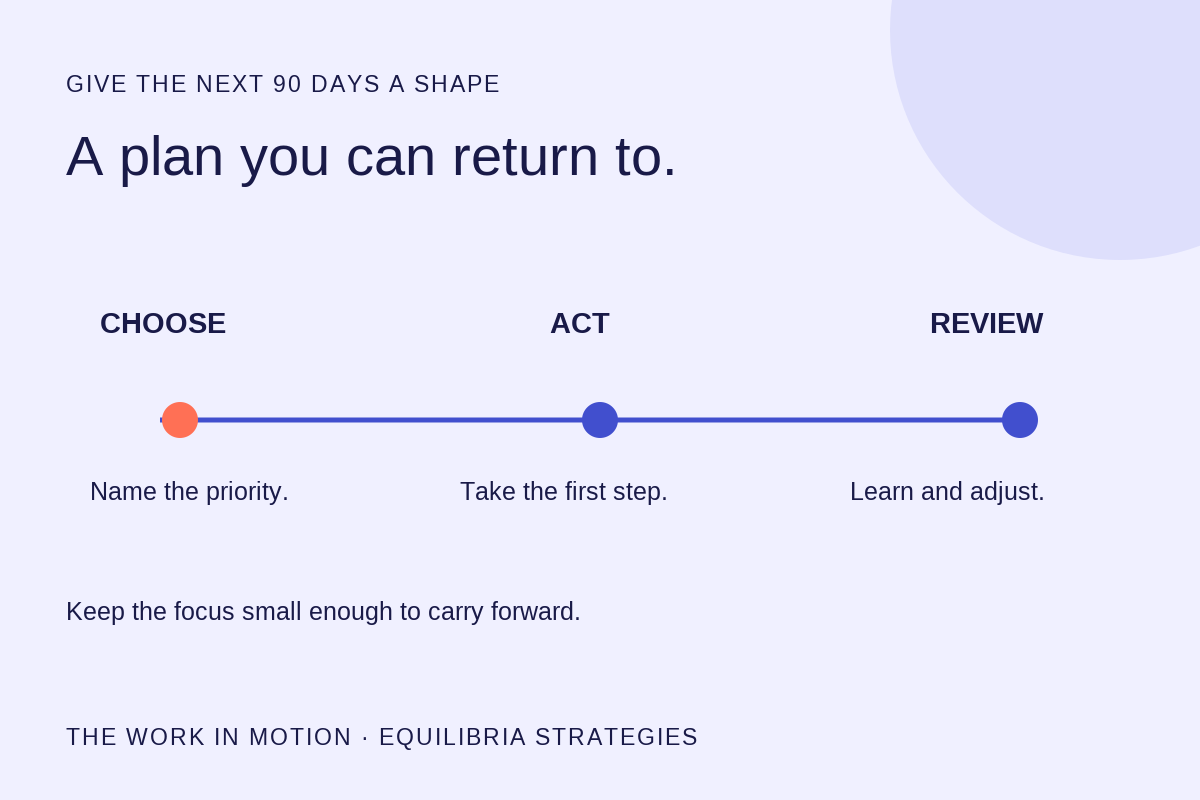
You may decide to proceed, begin with a limited test, seek a different agreement, or leave the opportunity for another time. Record the reasoning. Choose a date to review what you are learning and decide whether to continue.
The question I keep returning to is practical: after accounting for what this opportunity requires, will it help the organization sustain its work?
If you would like a partner in that conversation, explore operations and sustainability support or talk with me about the decision in front of you.
A reflection by Kelli Bohannon for The Work in Motion blog.
Back to all reflections